The Allure of Rome’s Golden Light
Rome, often referred to as the Eternal City, is not only celebrated for its historical significance but also for its captivating golden light that envelops the city during the early morning and late afternoon hours. This enchanting illumination transforms the urban landscape, casting a warm glow over its ancient monuments and stunning vistas, creating a mesmerizing visual experience for residents and visitors alike.
The golden hue of the sunlight is particularly noteworthy at sunrise and sunset when the sun dips close to the horizon, illuminating the city’s architectural marvels such as the Colosseum, St. Peter’s Basilica, and the majestic Pantheon. This phenomenon is further accentuated by the soft hues of the sky, which range from vibrant oranges to gentle pinks, creating a picturesque backdrop that enhances the beauty of Rome. The interplay between light and structure not only highlights the intricate details of these historic buildings but also evokes emotions and memories, encapsulating the essence of Roman history.
Moreover, the golden light bathes the natural landscapes surrounding the city, including the rolling hills of the Roman countryside. Areas like the Gianicolo Hill or the Appian Way come alive under the embrace of this luminous phenomenon, allowing for breathtaking panoramic views. Photographers and artists alike are drawn to this magical quality of light, seeking to capture the ephemeral moments that define Rome’s charm. The picturesque atmosphere during these twilight hours allows for a deeper appreciation of the city and its blend of history, culture, and nature.
In effect, the allure of Rome’s golden light is not simply a visual spectacle; it is an invitation to explore and experience the city in a unique way. Through its captivating illumination, one can uncover the layers of history while being enveloped in beauty, making each visit to Rome a truly unforgettable journey.
The Science Behind the Light
The renowned golden light of Rome, admired in countless films and photographs, is the result of a unique interplay between atmospheric conditions, geographical features, and the sun’s position. Understanding these elements reveals the science that crafts this captivating illumination. As the sun traverses the sky, its angle relative to the Earth changes, particularly during sunrise and sunset. At these times, the sunlight passes through a greater thickness of the Earth’s atmosphere, scattering shorter blue light waves and allowing the longer reddish and golden wavelengths to reach the observer’s eyes.
Rome’s geographical positioning also plays a crucial role in this phenomenon. The city’s hills and ancient architecture are strategically situated to catch the sun’s rays in a manner that enhances light dispersion. The interplay of light with the historic buildings, often constructed from travertine and other pale stones, further reflects and amplifies this golden hue. The unique topography of the city, with its elevations and valleys, allows for varying perspectives that enrich the visual experience of the golden hour.
Additionally, atmospheric conditions such as humidity and air quality contribute significantly to the quality of light observed. In Rome, the relatively dry Mediterranean climate allows for less haze, making the light appear clearer and more vivid. On days when the air is clear, the golden light accentuates the intricate details of the city’s rich historical fabric, creating a striking visual narrative. This interplay of natural and artificial elements not only enhances the aesthetic appeal but also renders Rome a popular destination for filmmakers and photographers seeking to capture its unique charm. Thus, the science behind Rome’s golden light is as intricate as the city itself, combining natural beauty with atmospheric wonder.
The Best Times to Experience Golden Light in Rome
Experiencing the captivating golden light in Rome requires careful timing, as this enchanting illumination offers ideal conditions for both photography enthusiasts and casual observers. There are specific periods during the day and throughout the year when the golden light shines at its most breathtaking, enhancing the city’s historic charm.
The golden hour, occurring shortly after sunrise and just before sunset, is widely regarded as the best time for enjoying this radiant light in Rome. During these times, the sun casts a warm glow over the city, illuminating iconic landmarks such as the Colosseum and St. Peter’s Basilica with an ethereal beauty. Early risers can capture the soft hues of dawn as the city awakens, while romantic evenings provide the chance to witness the sun painting the skyline in vibrant shades of orange and red.
In addition to daily variations, seasonal changes also influence the quality of light experienced in Rome. The spring and fall months, particularly April to June and September to October, present optimal conditions for enjoying the golden light. During these periods, the weather is usually mild, contributing to clearer skies and brighter sunsets, which amplifies the spectacular visual effects. Travelers seeking to optimize their photography should plan their visits during these months to ensure the most enchanting experience.
Furthermore, particular events such as the summer solstice can enhance the golden light experience, as the longer days allow for extended sessions of twilight photography. Observing sunset from popular vantage points like the Gianicolo Hill or the Pincian Hill can provide travelers with breathtaking panoramas of Rome illuminated by the warm, golden rays of the sun.
Exploring Rome’s Iconic Landmarks in Golden Light
During the golden hour, Rome transforms into a canvas of vibrant hues, casting a warm, enchanting glow on its historic landmarks. This phenomenon amplifies the beauty of the city, drawing visitors and photographers alike, eager to capture its splendor. Among the most striking sites during this magical time are the Colosseum, St. Peter’s Basilica, and the Pantheon, each of which presents its own unique architectural features illuminated by the golden light.
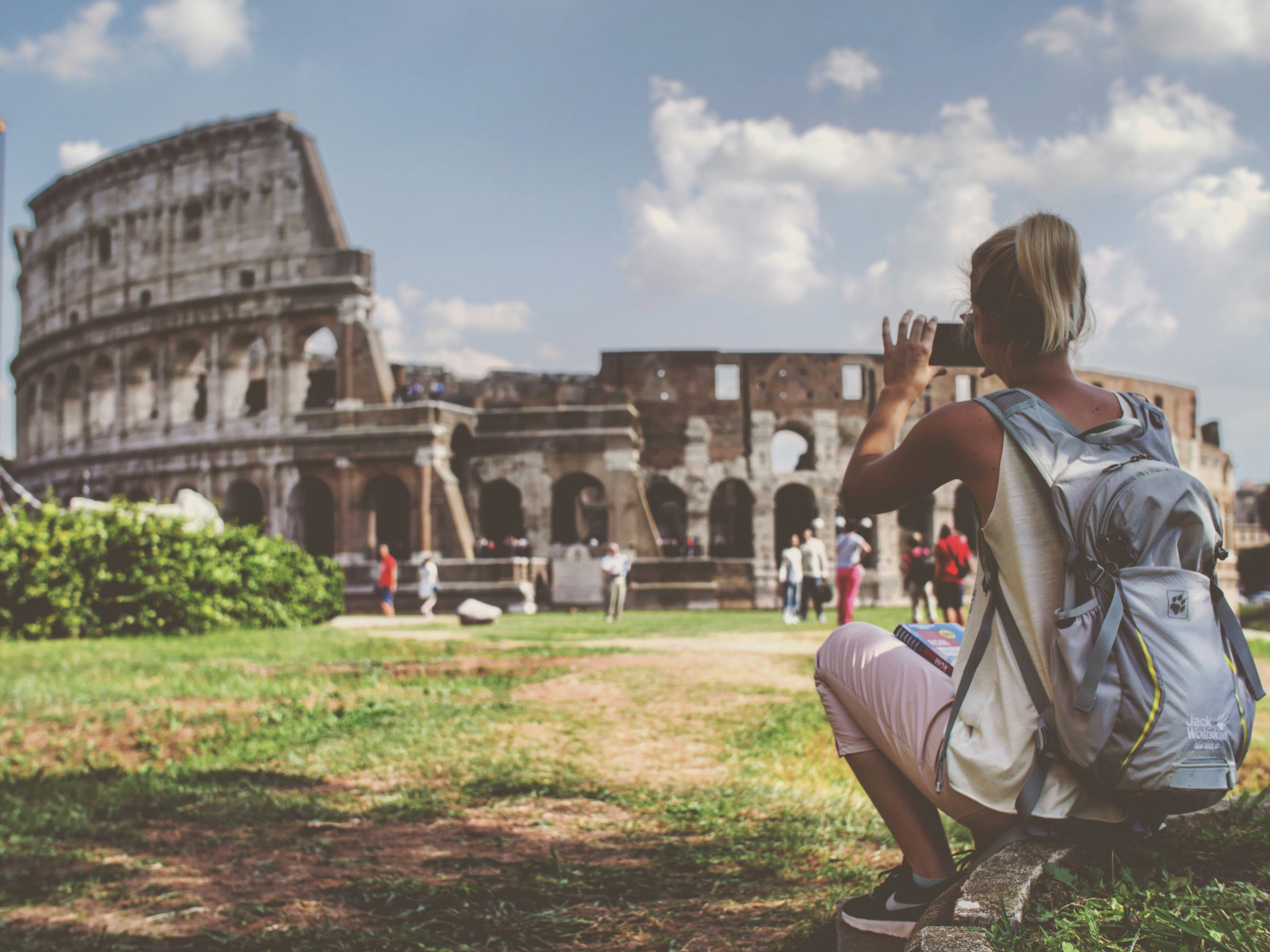
The Colosseum, an enduring symbol of ancient Rome, embodies a majestic presence as the sun sets. Its ancient stones, bathed in a rich amber glow, bring the grandeur of Roman history to life. The play of light highlights the arches and textures of its facade, creating a striking visual that evokes the city’s storied past. Photographers often flock to capture this iconic monument, as the golden hour showcases its prominence against the skyline.
St. Peter’s Basilica, a centerpiece of Vatican City, is equally breathtaking when illuminated by the golden rays. The basilica’s dome, designed by Michelangelo, catches the light beautifully, enhancing its architectural magnificence. As the sun descends, shadows lengthen and details of the facade emerge, making it a popular spot for both tourists and artists. The tranquil ambiance created by the golden hour adds a spiritual quality to the experience, inviting contemplation amidst its grand surroundings.
The Pantheon, one of the best-preserved monuments of ancient Rome, also reveals an enchanting charm during this time. The oculus at its center allows the soft golden light to stream in, illuminating the grand interior in a way that transforms the experience for visitors. This interplay of light and architecture creates a serene atmosphere, providing a perfect backdrop for reflection and admiration of this architectural marvel. Each of these landmarks, bathed in golden light, serves as a reminder of Rome’s rich history and timeless beauty.
Natural Settings: Parks and Views
Rome, a city steeped in history and art, also boasts an array of stunning parks and natural viewpoints that offer a serene escape from the urban bustle. These locations not only provide a breath of fresh air but also showcase the city’s breathtaking landscapes, particularly when bathed in golden light during the early morning or late afternoon.
Among the many green spaces, **Villa Borghese** stands out as a must-visit destination. This expansive park, located in the heart of Rome, features manicured gardens, picturesque fountains, and tranquil lakes, all of which come alive in the soft sunlight. Visitors can stroll or cycle through its pathways, enjoying the harmonious blend of nature and art. As the golden light filters through the trees, it creates a warm glow that enhances the beauty of this idyllic setting.
Another remarkable spot is the **Giardino degli Aranci**, perched on the Aventine Hill. This park not only offers panoramic views of the city but also features fragrant orange trees, especially captivating at sunset. The view from here is especially magical; one can take in the silhouette of St. Peter’s Basilica against the glowing sky, making it an ideal location for peaceful reflections or romantic picnics.
For those seeking a vantage point that encompasses a wider stretch of the city, the **Pincian Hill** provides an unrivaled spectacle. Here, visitors can relish sweeping vistas while enjoying the light’s dance on the historic rooftops of Rome. The park is lined with benches ideal for a leisurely sit, while the sunset transforms the atmosphere into a painter’s canvas, capturing hues of orange and gold.
Incorporating these natural settings into your itinerary not only elevates the experience of Rome but allows for moments of tranquility and inspiration, all under the captivating golden light that adorns the city’s landscape.
Capturing the Light: Photography Tips
Rome is renowned for its captivating golden light, which lends the city an enchanting quality, especially during the early morning and late afternoon. This unique illumination can enhance your photography, making images vibrant and visually striking. To successfully capture the essence of Rome’s golden light, several photography techniques and settings should be considered.
First and foremost, adjusting your camera settings is crucial. Shooting in manual mode allows for greater control over exposure. Utilize a low ISO setting, around 100-200, to minimize noise in bright conditions and maintain clarity in your images. Alternatively, during darker hours, do not hesitate to increase the ISO while compensating with faster shutter speeds to prevent motion blur.
Another important factor is aperture. A wider aperture (smaller f-number, such as f/2.8 or f/4) is ideal when you want to create a shallow depth of field, beautifully blurring the background and making your subject pop. Conversely, a narrower aperture (higher f-number, such as f/11 or f/16) is recommended for landscape shots, ensuring more of the scene is in focus.
Utilizing filters can also enhance your photography. A polarizing filter, for example, can reduce glare and increase the vibrancy of the colors, particularly useful when capturing the city’s historical architecture. Additionally, a neutral density filter allows for longer exposure times, which can beautifully smooth out moving subjects like fountains or pedestrians, thus giving your images an artistic flair.
Finally, take advantage of the composition techniques. Golden hour is an excellent time to experiment with backlighting, capturing silhouettes against the warm glow of the sun. The interplay of shadows and highlights can add depth and intrigue to your photographs of iconic landmarks. Observe the surroundings and the changing light conditions to frame your shots effectively. With the right techniques, capturing the magical golden light of Rome becomes a rewarding endeavor.
A Cinematic Experience in the Sky
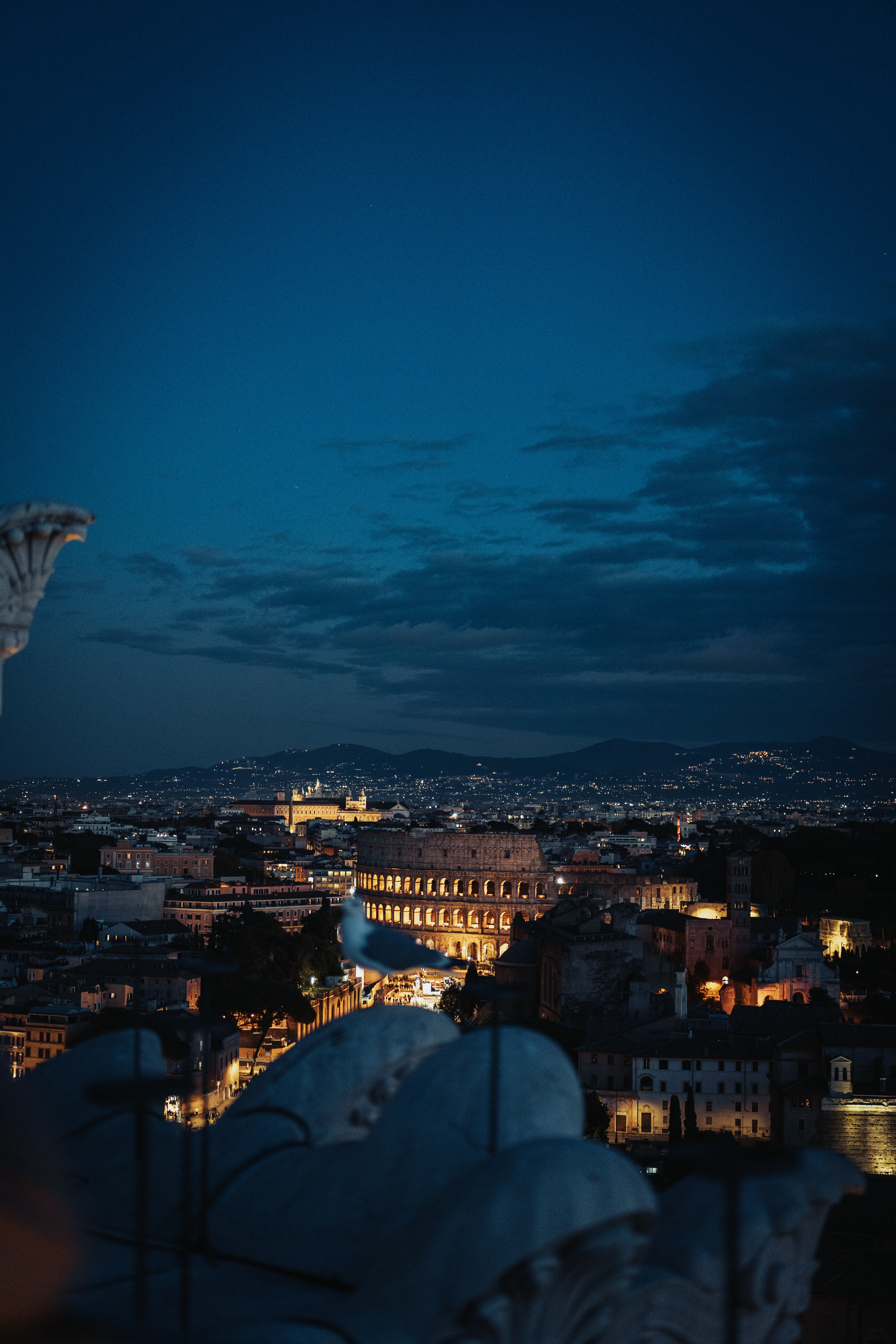
As the sun begins to set over the ancient city of Rome, the skies transform into a canvas painted with vibrant hues that evoke a sense of wonder and serenity. The golden hour, characterized by its warm, soft light, casts a magical glow on the cityscape, creating a visually stunning experience that captures the essence of Rome’s timeless beauty. During this period, the typically bright and bustling streets become enveloped in a softer ambiance, encouraging both locals and tourists to pause and appreciate the breathtaking views.
The changing colors of the sky, ranging from soft pastels to rich, deep oranges and purples, create a striking contrast against the city’s historic architecture. Landmarks such as the Colosseum and the Pantheon appear even more majestic, their outlines softened and illuminated by the fading daylight. The interplay of light and shadow at dusk amplifies the romantic allure of the city, presenting an ideal setting for photography enthusiasts and artists seeking inspiration.
As visitors stroll along the Tiber River or gather at iconic vantage points like the Pincian Hill, they cannot help but feel as though they have stepped into a cinematic scene. The dynamic lighting not only enhances the view but also adds a layer of emotion and depth to the experience. Rome’s skyline takes on a dramatic character that echoes the city’s rich history and cultural significance, making it a mesmerizing backdrop against which stories unfold.
Ultimately, the vibrant dusk sky over Rome transforms the mundane into the extraordinary, crafting a cinematic atmosphere that enchants every observer. This natural spectacle serves as a reminder of the beauty and artistry that surrounds the Eternal City, inviting everyone to revel in its splendor from beneath the vast, colorful horizon.
Local Insights: Recommendations from Photographers
When it comes to capturing Rome’s enchanting illumination, local photographers offer invaluable insights that can significantly enhance your experience and your photographs. These seasoned experts not only know the city’s best-kept secrets but also possess a keen understanding of how natural light interacts with Rome’s unique architecture and landscapes.
One often-recommended time to venture out is during the magical hour before sunset, known as the “golden hour.” This period bathes the city in a warm, soft light, and highlights the intricate details of iconic landmarks such as the Colosseum and the Pantheon. Renowned photographer, Marco Rossi, suggests visiting the steps of Trinità dei Monti at this time: “The view from the Spanish Steps during sunset is absolutely stunning. You’ll catch the sun setting behind St. Peter’s Basilica, creating a breathtaking backdrop.”
Additionally, photographers advocate exploring lesser-known areas, such as the quiet streets of Trastevere. Photographer Elena Bianchi shares, “In the late afternoon, the golden light reflects off the cobblestones and the ivy-covered buildings, creating a scene that feels timeless. It’s less crowded, allowing for a more intimate connection with the city’s ambiance.” Her recommendation to take a detour down Via della Lungara is particularly worth noting for both photography and exploration.
For night photography, the illuminated bridges over the Tiber River provide a spectacular vantage point. Giovanni Puglisi, a local night photographer, emphasizes the charm of the Ponte Sant’Angelo after dark. “The view of Castel Sant’Angelo, framed by the reflections on the water, is magic,” he states. He suggests bringing a tripod to stabilize your shots, ensuring clarity even in low light conditions.
Ultimately, by following the time-tested tips and insights from these local photographers, visitors can successfully navigate the light in Rome, capturing its beauty in a way that is both authentic and evocative.
Conclusion: The Magic of Light in Rome
As we reflect on our exploration of light in the enchanting city of Rome, it becomes evident that its golden rays possess a transformative power that transcends mere illumination. The interplay of natural and artificial light enhances the architectural marvels that dot the landscape and imbues the streets with a vibrant energy that captivates both locals and visitors alike. The way sunlight bathes ancient ruins during the golden hour reveals intricate details, while the urban glow of street lamps at night softens the edges of time, creating a cinematic experience that evokes emotion.
Visitors to Rome are encouraged to immerse themselves in this luminous journey. Each neighborhood, from the historic heart of the city to hidden corners along winding pathways, tells its own story shaped by light. In the morning, the dawn casts a serene and ethereal light over piazzas, inviting quiet reflection, while the dramatic sunset views from the Pincian Hill present a kaleidoscope of colors that can easily leave one awestruck.
The shadows and highlights that fall across elaborate sculptures and baroque façades tell tales of history, culture, and artistry. Photographers and artists from around the globe flock to Rome, drawn by the prospect of capturing the unique interplay of light and shadow that defines the city’s character. With every angle and shifting hour, the light narrates a different chapter in Rome’s storied past.
In conclusion, experiencing Rome in its beautiful light allows for a deeper appreciation of the city’s rich heritage and artistry. Whether wandering through its historic streets by day or being enchanted by its illuminated wonders at night, the magic of light in Rome is an invitation to explore, reflect, and connect with a timeless masterpiece that continues to inspire and enchant.
Planning a proposal or a couples shoot in Italy? Let us frame it.
Tell us the city and the date. We reply within a few hours with availability, the best light window and a quote.