
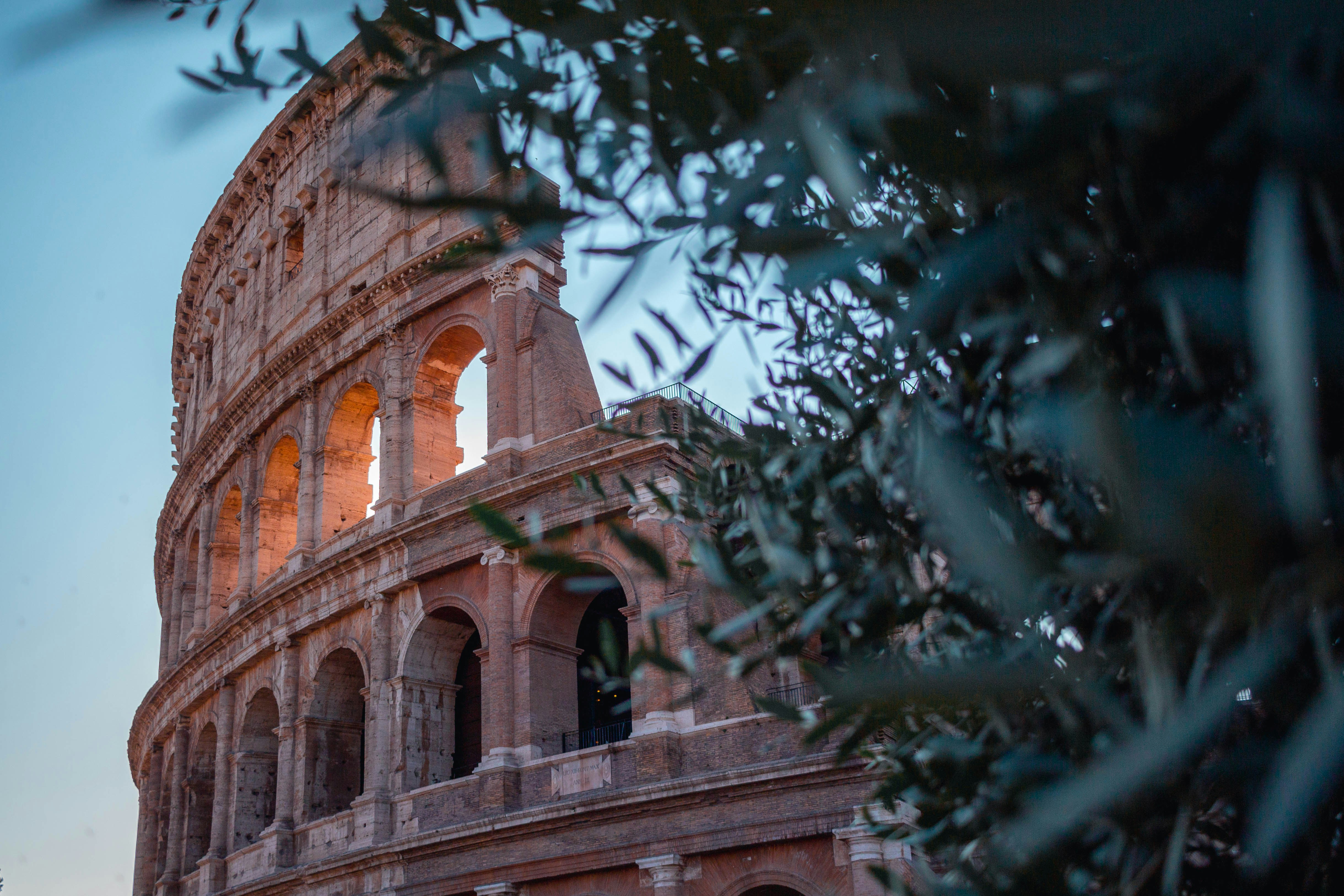
Introduction to Roman Photography
Rome, often referred to as the Eternal City, is a captivating location that presents a wealth of photographic opportunities for enthusiasts and professionals alike. Its rich historical tapestry weaves through the ancient ruins, majestic monuments, and vibrant street scenes, making it an irresistible canvas for visual storytelling. The iconic architecture, ranging from the breathtaking Colosseum to the stunning Pantheon, offers countless angles and perspectives that photographers can explore.
The picturesque landscapes of Rome further enhance its appeal, providing a blend of natural beauty and urban scenery. From the serene Tiber River winding through the heart of the city to the lush greenery of the Villa Borghese gardens, every corner offers unique compositions waiting to be captured. Photographers can take advantage of the changing light throughout the day, which highlights the intricate details of both ancient stone and contemporary life.
Moreover, the vibrant street life in Rome serves as a dynamic backdrop for candid photography. The bustling piazzas, lively markets, and quaint alleyways teem with locals and tourists, each contributing to the city’s lively character. Capturing the essence of these moments not only tells a story but also allows photographers to reflect the diverse culture and spirit of Rome.
In essence, Rome is more than just a city; it is a living gallery that inspires creativity and invites photographers to immerse themselves in its charm. Whether one is a seasoned professional or an aspiring amateur, this city offers an endless array of subjects to capture, making it a true paradise for photographers seeking to leverage its beauty and history.
Iconic Landmarks and Their Photographic Appeal
Rome is a tapestry of iconic landmarks that beckon photographers from around the world. Each site possesses a unique character, allowing for diverse photographic opportunities that capture the essence of this historic city. The first must-visit location is the Colosseum, a symbol of ancient Roman architecture. Its grandeur, especially during the golden hours of sunrise and sunset, creates dramatic shadows and highlights that enhance its majestic presence. Photographers are encouraged to experiment with angles, capturing its colossal structure against the sky.
The Vatican, rich in art and history, presents an array of captivating photographic subjects. St. Peter’s Basilica and the Sistine Chapel are particularly noteworthy. Techniques such as wide-angle shots can encapsulate the basilica’s opulence, while the detailed frescoes of the Sistine Chapel require careful composition and consideration of light to showcase their vibrancy. The changing light conditions, especially during dusk, lend themselves to ethereal photographs of the Vatican’s stunning architecture.
Another iconic treasure is the Pantheon, known for its magnificent dome and oculus. The interplay of natural light entering through the oculus creates dynamic visual patterns within the temple. This site offers photographers the chance to experiment with interior and exterior shots, highlighting its architectural harmony. Lastly, the enchanting Trevi Fountain is a dream for photographers at twilight, when its illuminated waters create a mesmerizing atmosphere. Capturing the fountain with crowds or in a serene moment can both evoke different moods, making it essential to consider timing when photographing this landmark.
In summary, each of these iconic landmarks offers unique photographic potential, transformed by the varying light conditions throughout the day. Photographers should take advantage of these characteristics to create evocative images that reflect the allure of Rome.
The Beauty of Roman Streets
Rome, with its ancient history and vibrant culture, offers unparalleled charm through its narrow alleys, bustling piazzas, and lively markets. Each street provides a unique backdrop for photographers looking to capture the essence of the Eternal City. The intricate architecture, historical landmarks, and the play of light across cobblestone streets creates a captivating scene that invites exploration.
The allure of Roman streets lies not only in their aesthetic appeal but also in the dynamic urban life displayed within them. Local markets teem with activity as vendors call out to passersby, and these moments create perfect opportunities for candid photography. Street vendors, artists, and locals engaging in everyday life thrust the photographer into the heart of the city, allowing for genuine storytelling through images.
To effectively capture the charm of Roman street life, consider taking your photos during the golden hour, just after sunrise or before sunset. The soft, warm light enhances the natural beauty of the streets, illuminating details that might go unnoticed during the harsh midday sun. Additionally, focusing on the contrasts between the ancient and contemporary elements can create visually striking compositions; look for instances where modern life intersects with historic architecture.
Paying attention to the details is vital. The textures of aged walls, the colorful facades of buildings, and the roundness of ancient stones contribute to the mood of the photograph. When composing shots, utilize leading lines that guide the viewer’s eye through the frame, drawing attention to the scene’s context. Experimenting with different angles and perspectives can also yield surprising and beautiful results.
In conclusion, the streets of Rome offer not just a visual feast but also an immersive experience that reflects the culture and rhythm of the city, making it an ideal canvas for photographers.
Natural Beauty and Gardens: Capturing Serenity in Rome
Rome is widely recognized for its rich historical architecture and vibrant city life, but it also offers captivating natural beauty within various parks and gardens that provide a serene escape from the bustling streets. Among these, the Villa Borghese and the Orange Garden stand out as idyllic locations for photographers seeking to capture tranquility amidst the urban environment.
The Villa Borghese, one of the largest gardens in Rome, spans 80 hectares and features a scenic landscape that is perfect for capturing both natural beauty and artistic structures. Its lush gardens, charming fountains, and serene lakes provide ample opportunities for stunning nature photography. Photographers can explore the juxtaposition of manicured gardens against the backdrop of grand villas, capturing a unique blend of nature and artistry. Early morning or late afternoon light enhances the beauty of this locale, allowing for soft shadows and vibrant colors that bring images to life.
Similarly, the Orange Garden, known as the Giardino degli Aranci, is a hidden gem that offers breathtaking panoramic views of Rome. Situated atop the Aventine Hill, this garden is a tranquility haven infused with the scent of orange blossoms. Its well-maintained pathways and benches present ample opportunities to capture serene images, whether it be close-ups of blooming flowers or wide-angle shots of the city skyline layered with green canopies. The golden hour is particularly magical here, as the sun sets behind the historic buildings, creating a warm, golden hue ideal for capturing captivating photographs.
To optimize your photography in these natural settings, consider factors such as time of day, weather conditions, and composition. Experimenting with different angles and perspectives will yield intriguing results, as will using natural light to bring out the vivid colors and textures of nature. Incorporating elements from the urban backdrop helps to narrate a story through your lens, revealing the harmony of nature and the city in your photographs.
The Golden Hour in Rome
The golden hour, typically occurring shortly after sunrise and before sunset, is a prime time for photographers to capture Rome in all its glory. During this period, the natural light transforms the city’s iconic architecture and landscapes into a dreamlike tableau, with soft, warm hues that enhance colors and textures. The early morning sun casts long shadows, accentuating the intricate details of historical monuments such as the Colosseum and the Pantheon. Similarly, the setting sun creates a magical ambiance over the Tiber River, illuminating the Vatican and the charming streets of Trastevere.
For optimal photography results, it is essential to plan your sessions around these golden hours. Approximately one hour after sunrise and one hour before sunset are generally considered the best times for capturing stunning images. To maximize the effect of light during these moments, photographers should consider the angle of the sun and how it interacts with various elements in the frame. Observing how shadows play against architectural features can also add depth and dimension to photographs.
Managing exposure is a crucial aspect when shooting in these dynamic lighting conditions. Photographers should utilize manual settings to finely adjust shutter speed, aperture, and ISO to achieve the desired effect. It is advisable to experiment with bracketing exposures, capturing multiple shots at varying settings to ensure that at least one image truly encapsulates the enchanting light. Filters, such as polarizers or ND filters, can further enhance saturation and reduce glare, providing photographers with even more control over the final image. By embracing the golden hour, photographers can fully capture the ethereal beauty of Rome, creating lasting memories and striking visual narratives.
Cultural Events and Festivals: Capturing the Spirit of Rome
Rome, renowned for its rich history and vibrant culture, offers a plethora of cultural events and festivals throughout the year, making it a veritable paradise for photographers. Among the most notable is the Palio di Roma, a thrilling horse race that embodies the city’s competitive spirit and enthusiastic local traditions. This event is not just about the race itself, but also encompasses impressive parades, colorful costumes, and vibrant festivities, all of which provide a myriad of opportunities for photographers seeking to capture the essence of Roman culture.
Other significant events include the Festa de Noantri, celebrated in the Trastevere neighborhood. This festival honors the Virgin Mary and features a series of processions and lively street performances that showcase both traditional and contemporary aspects of Roman life. Photographers can capture the essence of these moments by focusing on the candid interactions between locals and visitors, as well as the stunning street art that adorns the backgrounds.
The Rome Film Fest also attracts a diverse crowd, featuring premieres and screenings that celebrate cinematic art and storytelling. Attending this festival allows photographers not only to document high-profile appearances but also to explore the intersection of film and cultural identity. Through techniques such as utilizing natural light or experimenting with framing, photographers can effectively convey the energy and excitement surrounding these events.
The annual Natale di Roma offers yet another opportunity to capture the city’s unique spirit. This festival commemorates the founding of Rome, with reenactments, ancient music, and historical parades that invite photographers to step back in time. Each of these cultural events provides a canvas for diverse storytelling through photography, reflecting both the historical depth and modern vibrancy of the Eternal City.
The Influence of Roman Cuisine on Photographic Opportunities
Rome, known not only for its rich history and stunning architecture but also for its vibrant culinary scene, offers an abundant source of photographic opportunities. The local cuisine, which encompasses a variety of delectable dishes such as pasta, pizza, and pastries, provides an ideal avenue for photographers to capture the essence of the city. Through food photography, one can express the cultural heritage of Rome, revealing not only the beauty of its food but also the vibrancy of local life.
When dining in Roman restaurants or exploring local markets, photographers should focus on composition, lighting, and context to enhance their food photography. Natural light is a significant factor; it allows colors and textures to stand out beautifully. When possible, sit near a window where soft, diffused light can illuminate the dish. Additionally, experimenting with different angles can yield stunning results. Overhead shots can showcase a spread of dishes, while close-ups can highlight intricate details like the swirls of sauce or the crispiness of a pizza crust.
Moreover, capturing images in bustling markets adds an authentic element to the photographs. Stalls filled with vibrant produce, fresh bread, and artisan cheeses provide dynamic backgrounds. Engage with local vendors, and ask for permission to photograph their craftsmanship, which not only enriches the story of the images but connects the culinary art to the people behind it.
Lastly, it is recommended to incorporate cultural elements in food photography. Including items such as traditional utensils or decorative table settings can create a narrative within the image, evoking a sense of place. This approach enhances the visual appeal and invites viewers to experience Rome’s culinary heritage through the lens.
Camerawork: Tips and Techniques for Photographers
As Rome unfolds in stunning vistas, it presents unique opportunities for photographers wishing to capture the essence of this eternal city. To optimize your photographic experience, begin with the right gear. A dependable camera—whether a DSLR, mirrorless, or even a smartphone—can yield impressive results. Complement your camera with a selection of versatile lenses, such as a wide-angle lens for landscape shots of iconic sites like the Colosseum, and a prime lens for intimate details and portraits that convey the character of the city.
Understanding basic photography principles is crucial for photographers at all skill levels. Master the exposure triangle—aperture, shutter speed, and ISO—which governs how light interacts with your sensor. Properly balancing these elements helps ensure your images capture not only clarity but also the ambiance of each moment. For beginners, consider utilizing automatic or semi-automatic modes until you feel comfortable with full manual settings, enabling you to focus on composition and creative vision.
Furthermore, Rome’s unique layout can present challenges, including varied lighting conditions and crowded areas. It is advisable to explore less frequented times of day for photographing popular landmarks. Early mornings offer soft light and fewer tourists, a combination ideal for capturing striking images. Additionally, familiarize yourself with different neighborhoods, as each area of Rome boasts distinct architectural styles and cultural nuances worthy of exploration through your lens.
To enhance composition, follow the rule of thirds—a principle that promotes a balanced image by positioning focal points along the grid. Look for leading lines, shapes, and textures that create depth in your photos. Above all, maintain an open mind, and allow the city’s charm to guide your photography journey.
Conclusion: Embracing the Art of Photography in Rome
In summary, Rome stands as a beacon for photographers, offering a rich tapestry of historical and cultural elements that create myriad opportunities for breathtaking imagery. From the iconic architecture of the Colosseum to the serene beauty of the Vatican Gardens, each corner of this city presents a new perspective waiting to be captured. Photographers, whether novice or professional, will discover that Rome’s landscapes and structures provide endless inspiration and artistic possibilities.
The interplay of light and shadow against ancient stones evokes a certain magic, transforming the mundane into striking visuals. Each photograph taken can tell a story of the city’s past, blending the old with the contemporary, showcasing not just the sites, but also the vibrant life that surrounds them. With living history around every street, photographers can delve into a profound narrative that emphasizes Rome’s significance beyond mere visuals.
Furthermore, engaging with local communities and their culture can enhance a photographer’s experience. By interacting with the Roman lifestyle, one can reveal more intimate and authentic representations of the city, going beyond clichéd tourist spots. Workshops and guided tours led by experts often provide invaluable insights, aiding in refining one’s technique and artistic vision.
Ultimately, Rome is more than a city; it is a canvas where photographers can express their creativity and passion. The beauty and depth of this eternal city not only invite exploration through the lens but also encourage a deeper appreciation for its artistry. As one embarks on this photographic journey, the memories created will remain timeless, just like the city itself. With such a wealth of inspiration, it is clear that capturing Rome through photography is not only rewarding but essential for anyone eager to tell stories that resonate through generations.
Planning a proposal or a couples shoot in Italy? Let us frame it.
Tell us the city and the date. We reply within a few hours with availability, the best light window and a quote.